WELCOME!

Protecting Birds, Other Wildlife, and Their Habitats

– Our Mission –

The mission of the Litchfield Hills Audubon Society is to protect birds, other wildlife, and their habitats, through conservation, education, research and advocacy.

  • September 14, 2026
    Birds and Wildlife of Argentina and Patagonia
  • October 5, 2026
    Primal Africa – Gorillas to Gazelles
  • Sept. 26, 2026
    Visit LHAS’ table at WMCC’s Family Nature Day
  • October 4, 2026
    Hawkwatch at Lighthouse Point
  • October 15-18, 2026
    Birding in & Around Cape May, NJ
  • October 17, 2026
    Visit LHAS’ table at Watertown Lions Club’s Wildlife Day

- EDUCATION -

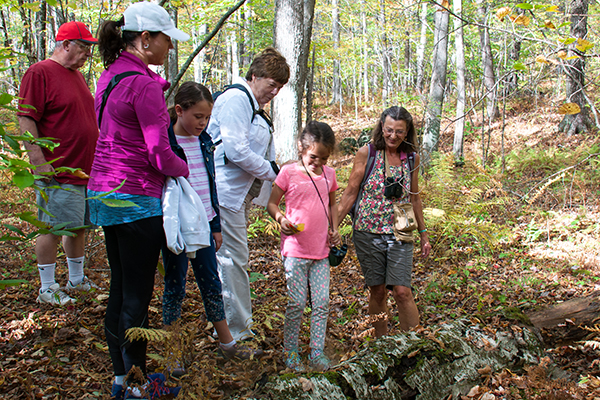
Litchfield Hills Audubon Society aims to provide environmental experiences to people of all ages, particularly in the Litchfield County and surrounding areas. LHAS offers free monthly programs, bird walks and environmental events that are open to the public. We also support and offer National Audubon’s Audubon Adventures tailored for elementary school children.

- CONSERVATION -

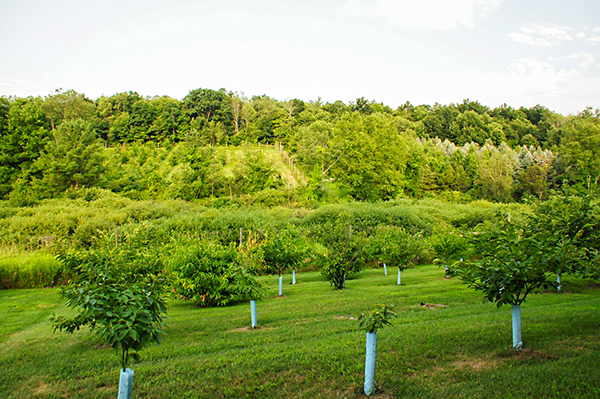
Litchfield Hills Audubon Society manages and maintains a total of 157 acres at three separate sanctuaries. LHAS is involved in a 10 year Forest Management Project through the NRCS, improving the forest health at Boyd Woods and Wigwam Brook Sanctuaries. Our sanctuaries provide vital habitat for woodland, shrubland and grassland birds and wildlife.

- RESEARCH -

Litchfield Hills Audubon Society continues to work with the National Resources and Conservation Services involved in a 10 year forest management project to improve the forest health at our Boyd Woods and Wigwam Brook Sanctuaries. LHAS also supports and is involved in the Blue-bird Nesting  Program and the American Chestnut Restoration Project.

Top Stories

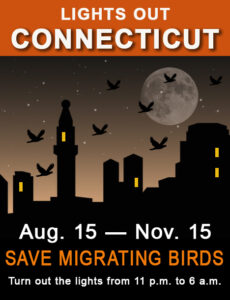
Lights out for birds — Moths — and people

By Diane Edwards

By now you’ve probably heard it many times: During peak bird migration times, turn off or dim lights at night if they’re not needed for safety. Most birds migrate at night, when artificial lights can disorient them, causing them to fly off course or crash into buildings. Peak fall migration is from August 15 to November 15.


But artificial lights cause havoc with other creatures too — including us! According to DarkSky International’s website (darksky.org), “Light pollution disrupts wildlife, impacts human well-being, wastes money and energy, contributes to climate change, and blocks our view of the universe.”

For billions of years, all animals and plants have relied on predictable day and night rhythms. These rhythms affect reproduction, feeding, sleep, and protection from predators. As DarkSky states, “Scientific evidence suggests that artificial light at night has negative and deadly effects on many creatures, including amphibians, birds, mammals, insects, and plants.” For example, nocturnal animals need darkness to avoid prey. Moths, most of which fly at night, can become disoriented by light (just as many migrating birds do), leaving them exhausted and potentially more vulnerable to predators.


Our own circadian rhythms also suffer the consequences of light pollution. It messes with our internal clocks, which can lead to sleep disturbances. Exposure to light at night can suppress the production of melatonin, a hormone that helps us sleep. There’s even some scientific evidence that light pollution might affect our genes.


It’s probably wise to limit outdoor lighting, not just during bird migrations, but all year long.


Connecticut Proposes Endangered Species Update

Summary of Endangered Species Proposed Actions

The Department of Energy and Environmental Protection (DEEP) is required to review the designation of species as endangered, threatened, or of special concern to determine whether species should be added or removed from Connecticut’s List of Endangered, Threatened and Special Concern Species, or, if necessary, change the designation from one category to another. DEEP has completed the latest review and is providing a summary of the proposed changes to the State Endangered Species List.

E = Endangered
T= Threatened
SC = Special Concern
* = Believed Extirpated

Proposed changes related to Birds include the following: 

  • Saltmarsh sparrow (Ammodramus caudacutus) — change from SC to T 
  • Northern saw-whet owl (Aegolius acadicus) — change from SC to T
  • Vesper Sparrow (Pooecetes gramineus) — change from E to SC*
  • Peregrine Falcon (Falco peregrinus) — change from T to SC
  • Bald Eagle (Haliaeetus leucocephalus) — change from T to SC
  • American oystercatcher (Haematopus palliatus) — change fron T to SC
  • Henslow’s sparrow (Ammodramus henslowii) — SC,* delist (appears to be extripated)
  • Northern parula (Setophaga cerulea) — SC, delist (removed from the Special Concern status)
  • Taxonomic changes:
    º Common moorhen changes from Gallinula chloropus to Gallinula galeata — E
    º Northern harrier change from Circus cyaneus to Circus hudsonius — E
    º Ammodramus caudacutus Saltmarsh sharp-tailed sparrow to Ammospiza caudacuta, Saltmarsh sparrow — SC->T
    º Ammodramus maritimus to Ammospiza maritima — T
    º Caprimulgus vociferus to Astrostomus vociferus — SC

    º Passerculus sandwichensis ssp. princeps to Passerculus sandwichensis princeps — SC
    º Cistothorus platensis to Cistothorus stellaris — E
    º Accipiter gentillis, Northern Goshawk — T to Accipiter atricapillus, American Goshawk — T
    º Whippoorwill Caprimulgus vociferus — SC to Antrostomus vociverus — SC

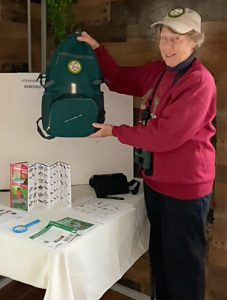
Birding Backpacks at a Library Near You

Litchfield Hills Audubon Society donates birding backpacks to area libraries to promote and teach birding.

Backpacks have been donated to ten area libraries by Litchfield Hills Audubon Society, an attempt to inspire children and families to enjoy the hobby of birdwatching.

Litchfield County has an abundance of nature preserves and natural habitats for wildlife, many with well-marked trails. LHAS hopes to encourage more families to get outdoors and learn about birds by offering them an opportunity to try a new hobby without the upfront costs.


You can check-out a Birding Backpack using your library card. Stocked in the backpacks are binoculars, illustrated guides identifying birds, information on nature activities and recommended locations for birdwatching.
 

Backpacks are available for check-out at the following libraries:

  • Morris Public Library
  • Oliver Wolcott Library
  • Thomaston Library
  • Torrington Library
  • Terryville, Library
  • Harwinton Library
  • New Milford Library
  • Beardsley Library
  • Burlington Public Library
  • Cornwall Library
  • KidsPlay Children’s Museum – Torrington

Donations from Ace Hardware of Litchfield, Litchfield Bancorp, Torrington Savings Bank, Wild Bird Unlimited of Brookfield and Litchfield Hills Audubon Society’s Education Committee covered the cost of the backpacks and their contents.

Join Us at a Meeting

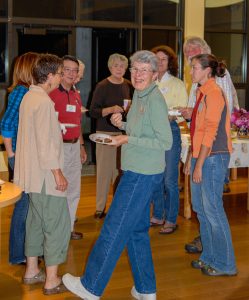
Unless otherwise indicated, General Meetings are held on the first Monday of each month at the Litchfield Community Center, 421 Bantam Road (Rt. 202), Litchfield, CT. When the first Monday of the month falls on a holiday, the meeting is held on the second Monday. Refreshments are served at 6:45 p.m. The business meeting starts at 7:00 p.m. and the program follows. The June meeting is the Annual Meeting and Dinner held at a local restaurant; it begins at 6 p.m. Our August meeting is the annual Picnic at Boyd Woods Sanctuary; it begins at 6 p.m. Board of Directors Meetings are held the third Tuesday of every other month at 7:00 p.m. at LHAS’ office at 28 Russell St. Litchfield, CT.